
Body and mind,
treated as one system.
Optimizing human potential.
Comprehensive consultations, testing and rehabilitative sessions in English, French, or Arabic. For teenagers, adults, and seniors, at three clinics in Lebanon and online.
Where I take appointments.
Three clinics in Lebanon and online for patients abroad. Forty-five minutes, in English, French, or Arabic. Availability updates in real time.

Mirna El Chalouhi
at Momentum Boulevard Heights

Zalka
at Echo Mind Cité Moussa

Anfeh
at Centre Dr. Alexandre Nehme Main Highway

Online
Video session secure link
First time here? Read how a session works before you book, or see the full clinic details with addresses and access notes. Booking opens my calendar in a new tab, then a short registration follows.
Is this the right practice for you?
The clearest signal is a concern that lives in the body and the mind at once. Find yourself below.
When the body is changing faster than the words for it.
- Anxiety
- Sleep
- Body image
- Coordination
- Athletic recovery
When stress or chronic tension starts asking for attention.
- Chronic tension
- Regulation
- Sleep
- Somatic distress
- Post-injury
Keeping presence, balance, and contact across aging.
- Cognitive aging
- Balance
- Post-stroke
- Neurodegenerative
- Chronic pain
Four steps.
By the time you walk in, I have already read your file. The first session is for you, not for paperwork.
You fill in the info sheet.
Reason for coming, history, what you have already tried. Scans and prior reports go to a private upload link that only I can open.
I read your file before we meet.
You arrive to a working picture of your situation and a set of questions ready.
We take history.
History, previous experiences, and what you want from the work. A shared picture before any decisions.
We set the work axes.
Testing where it helps, a written report, referrals if needed, then frequency and axes.
What are people saying
Every review below is public on Google, unedited, initials only.
Gilbert creates a fun, welcoming environment and supports students enthusiastically. Keep it up!
Z. GoogleAttentive, supportive, and truly knows what he’s doing. Creates a safe and comfortable space while delivering amazing results!
M.S. GoogleI highly recommend this psychomotricien. He’s very professional, honest and patient. And the most important thing: always smiling :)
S.N. GoogleAfter searching and trying many therapists, Gilbert Antaki finally was able to help my condition. Best in Lebanon.
B.S. GoogleGilbert creates a fun, welcoming environment and supports students enthusiastically. Keep it up!
Z. GoogleAttentive, supportive, and truly knows what he’s doing. Creates a safe and comfortable space while delivering amazing results!
M.S. GoogleI highly recommend this psychomotricien. He’s very professional, honest and patient. And the most important thing: always smiling :)
S.N. GoogleAfter searching and trying many therapists, Gilbert Antaki finally was able to help my condition. Best in Lebanon.
B.S. GoogleGilbert creates a fun, welcoming environment and supports students enthusiastically. Keep it up!
Z. GoogleAttentive, supportive, and truly knows what he’s doing. Creates a safe and comfortable space while delivering amazing results!
M.S. GoogleI highly recommend this psychomotricien. He’s very professional, honest and patient. And the most important thing: always smiling :)
S.N. GoogleAfter searching and trying many therapists, Gilbert Antaki finally was able to help my condition. Best in Lebanon.
B.S. GoogleGilbert creates a fun, welcoming environment and supports students enthusiastically. Keep it up!
Z. GoogleAttentive, supportive, and truly knows what he’s doing. Creates a safe and comfortable space while delivering amazing results!
M.S. GoogleI highly recommend this psychomotricien. He’s very professional, honest and patient. And the most important thing: always smiling :)
S.N. GoogleAfter searching and trying many therapists, Gilbert Antaki finally was able to help my condition. Best in Lebanon.
B.S. Google"The body keeps the score."
Bessel van der Kolk
First releases.
Thirty-one pieces across audios, course packs, treatment protocols, children's books, and lectures.
 COMING SOON10:00
Activation vagale.
Slow breathing at six cycles a minute, the rate at which heart rate variability peaks. Ten minutes, in French.
Notify me when liveCOMING SOON20:00Endormissement.
Progressive release after Jacobson with the de-focusing of the Vittoz method. Twenty minutes, ending in silence.
Notify me when liveHow a session works.
Forty-five minutes, in English, French, or Arabic. For teenagers, adults, and seniors, across three clinics in Lebanon and online.
Teenagers, adults, seniors.
Common reasons people arrive. Starting points, not a complete list. If your situation is not here and it lives in both body and mind, it probably still fits.

When the body is changing faster than the words for it.
- Anxiety and overwhelm
- Sleep difficulties
- Body awareness and image
- Coordination and athletic recovery
- Adolescent transitions
A space to put words on what is moving fast.
When stress or chronic tension start asking for attention.
- Stress and chronic tension
- Anxiety and regulation
- Sleep and recovery
- Somatic distress
- Post-injury or post-illness work
Practical work for the body that is carrying too much.
Maintaining presence, balance, and contact across aging.
- Cognitive aging support
- Balance and coordination
- Post-stroke and post-illness rehabilitation
- Neurodegenerative disorders
- Chronic pain management
Slow, careful work to keep the body engaged in life.
The body and the mind, treated as one system.
Psychomotor therapy is a clinical discipline that started in France and grew up in close contact with neurology, child development, and psychotherapy. It treats the body not as a separate object to be fixed but as the place where attention, regulation, and meaning live.

My practice is grounded in current neuroscience and shaped by clinical work. Sessions are structured but not scripted, adapting to what is most useful in the moment. Some weeks the work is hands-on. Some weeks it is mostly conversation. Most weeks it is both.
How sessions work, step by step.
The path from your first inquiry to the first hands-on session. Everything between is structured so we don't waste time once you arrive.
You fill in the info sheet.
A secure form covering your reason for coming, history, current concerns, and what you've already tried. Scans, reports and prior assessments go to a separate private upload link. Only I can open that folder. No other patient can see your files, and nothing is shared with anyone without your written permission.
I read your file before we meet.
Everything you sent is reviewed in advance. By the time you walk in, I already have a working picture of your situation and a set of questions ready for the conversation.
We take history.
In person or by video. We go through history, previous experiences, and the outcomes you want from the work. The goal is to get to a shared picture of the problem before any decisions about treatment.
We set the work axes.
Testing where it makes sense. A written report. Referrals if your situation needs other clinicians. Then the therapy plan itself: frequency, working axes, what we expect to see shift first.
Forty-five minutes, in four parts.
You arrive, you settle.
The space is private. A few minutes to land before we begin.
A short conversation.
How the week was. What is present. What is bothering you. What we noticed last time.
The body, the conversation, or both.
Adapts to what is most useful: hands-on work, guided movement, attentional and cognitive exercises, or focused conversation.
A short debrief.
We name what shifted, and I hand you a short exercise to carry between sessions when it helps.
Nineteen questions, answered.
Tap any question to open it. If yours is not here, WhatsApp is the fastest way to ask.
01How is psychomotor therapy different from physiotherapy or psychotherapy?
It treats body and mind as one system. Physiotherapy focuses on tissue and movement. Psychotherapy focuses on speech and thought. Psychomotor work sits between, using both.
02Do I need a referral?
No. You can book directly. If you have a referral note from a physician or another therapist, bring it to the first session.
03How long does a course of treatment usually last?
It varies. Some patients come for a defined number of sessions to address a specific concern. Others come weekly over months. We discuss what is reasonable at the end of the testing phase.
04When can I start seeing results?
Some patients feel something shift in the first session, a settling or release that had been waiting. Most need three or four sessions to feel the work landing in the body. Lasting changes accumulate over months. I check in regularly to make sure the work is reaching where it needs to.
05What should I wear or bring?
Comfortable clothes you can move in. Nothing else required. If you wear glasses or use any kind of device, bring it.
06Can I switch between in-person and online sessions?
Yes. The work translates well to video for many patients. We can mix formats based on what is most useful that week.
07What if I need to cancel?
Twenty-four hours notice. Anything less than that is charged at full session rate, with the exception of genuine emergencies.
08What does the first session look like?
After you fill in the info sheet and send any relevant documents through the private upload link (only I can open it, and nothing is shared), I analyse them before we meet. The first session itself covers history, previous experiences, and what you want out of the work. We end with a plan: testing, written report, referrals if needed, then a therapy plan with clear work axes.
09How do I know if psychomotor therapy is right for me?
If your concern lives in both body and mind, psychomotor therapy fits. Anxiety that you also feel in your gut. Forgetting more often than you used to. Difficulty concentrating during tasks that used to be easy. Tension you carry without noticing. Sleep that won't come even when you're tired. If something in your daily functioning has shifted and you can feel it in your body as much as in your thoughts, the body-mind frame is likely the right one.
10Do you work with children?
Currently the practice is open to children from 9 years old and up, plus adults and seniors. For younger children I can refer you to colleagues I trust. If you've thought it through and really only want to work with me, exceptions are possible.
11What conditions do you commonly work with?
Anxiety, sleep difficulties, chronic pain, post-injury or post-illness rehabilitation, balance and coordination, stress-related body symptoms, attention difficulties. Neurodegenerative disorders including Parkinson's, Alzheimer's, Huntington's, MS, and ALS. Post-stroke rehabilitation. The practice is generalist. The question is whether the body-mind frame fits your situation, not the diagnosis itself.
12Is there scientific evidence behind psychomotor therapy?
Yes. The discipline draws on neuroscience, motor control, and clinical psychology, with growing literature in rehabilitation medicine and developmental disorders. Specific references on request.
13Do you take insurance?
The Lebanese insurance situation is complicated and changes often. Bring your details to the first session and we can check what applies. International patients should ask their insurer about coverage for Lebanese practitioners.
14In what language are sessions conducted?
English, French, or Arabic. Your choice, equally fluent in all three. Many sessions move between languages naturally as material comes up.
15Can I bring a partner or family member?
For first sessions, yes if you'd like. For ongoing work, generally just the patient. Family sessions can be scheduled when relevant.
16What do I need for an online session?
A reliable connection, a private, quiet room where you won't be interrupted. A laptop or tablet works better than a phone. A secure video link is sent before each session.
17Do you coordinate with my doctor or other therapists?
Yes, with your written permission. Coordination with your treating team often improves outcomes. I can write reports, attend meetings, or share notes as makes sense.
18Is everything I share confidential?
Yes. Notes are kept securely and shared only with your written consent. Standard clinical ethics apply. Exceptions are narrow and disclosed at the start of work: risk to self, risk to others, court order.
19Do you keep notes about me?
Yes. Brief clinical notes after each session, kept securely, accessible to you on request. They are working tools: what we did, your progress, what to investigate next.
Book a session.
Three polyclinics. One online option.
I'm available in three polyclinics across Lebanon. Availability is always live from my calendar.
Mirna El Chalouhi
at Momentum
Mirna El Chalouhi, Beirut
Updates automatically
On request at booking

Zalka
at Echo Mind
Zalka, Metn
Updates automatically
On request at booking

Anfeh
at Centre Dr. Alexandre Nehme
Anfeh
Updates automatically
On request at booking

Online consultations.
Same intake, same approach, by video. Forty-five minutes. Useful for patients outside Lebanon, those between cities, or anyone wanting a first conversation before committing to a clinic visit.
Book a session.
Studio.
Audio sessions, course packs, treatment protocols, children's books, and recorded lectures, all in development. Each release joins the studio when it's ready.

Aplomb Vol. 01. Five protocols, fifty-eight minutes.
Five guided recordings for regulating the autonomic nervous system day to day. Slow breathing, cyclic sighing, progressive release, interoceptive scan, morning regulation. Clinically informed protocols, not mindfulness meditations. Recorded in French.
 COMING SOON10:00
Activation vagale.
Slow breathing at six cycles a minute, the rate at which heart rate variability peaks. For the middle of the day, between two tasks.
 COMING SOON20:00
Endormissement.
Progressive release after Jacobson, with the cognitive de-focusing of the Vittoz method. Ends in silence, with no cue to come back.
 COMING SOON05:00
Reset, five minutes.
Cyclic sighing. Before a call, after bad news, in the car before going in. The shortest and most active of the five.
 COMING SOON15:00
Scan interoceptif.
A directed attentional pass through the body, feet to head. Neutral observation, no suggested sensation. A waking practice, not a sleep one.
 COMING SOON08:00
Régulation matinale.
Cardiac coherence breathing, then three questions to set one intention for the day. Once you are up, before the first task.
Four packs for parents, families, and anyone wanting evidence-based depth.
Written for the person who wants substance without the optimization industry's noise.
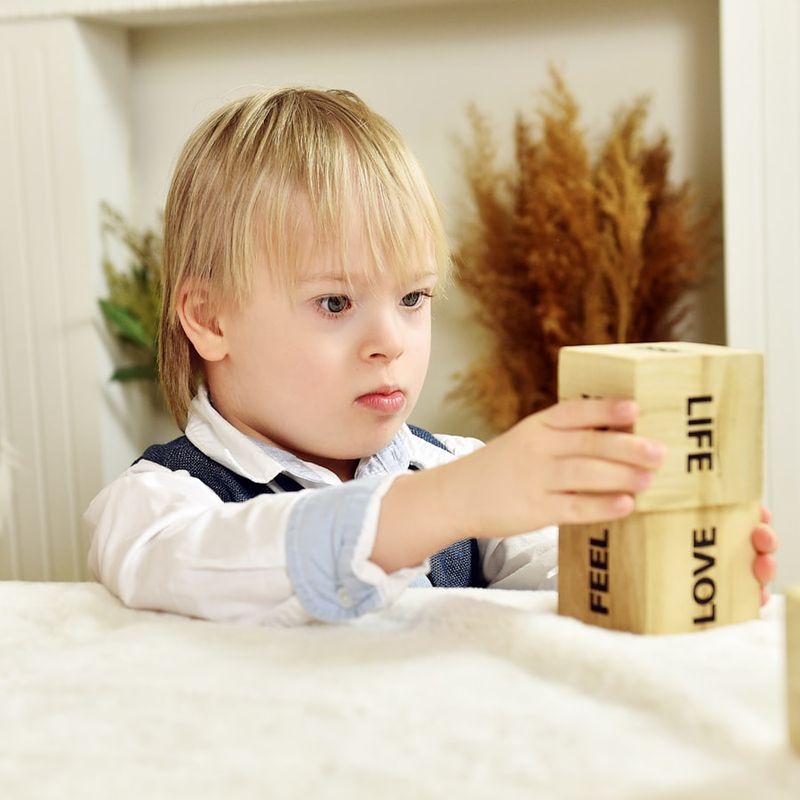
Enfants indépendants.
A practical course for parents who want children that play, work, and rest with quiet autonomy. Built from clinical experience and developmental science.

The parenting guide.
How children develop attention, emotion, and motor skill, and what helps at each stage. Depth without pressure.

Lifestyle, the evidence base.
What the research actually says about sleep, nutrition, movement, and brain health. Without the optimization industry's noise.

Brain power, in practice.
Cognitive, emotional, and nutritional levers for a brain that holds up over decades. Practical chapters for daily use.
Seven bilingual study packs.
Built for medical students, rehab therapists, and neuroscience graduates. FR/EN throughout. Adapted from the courses I teach at university.
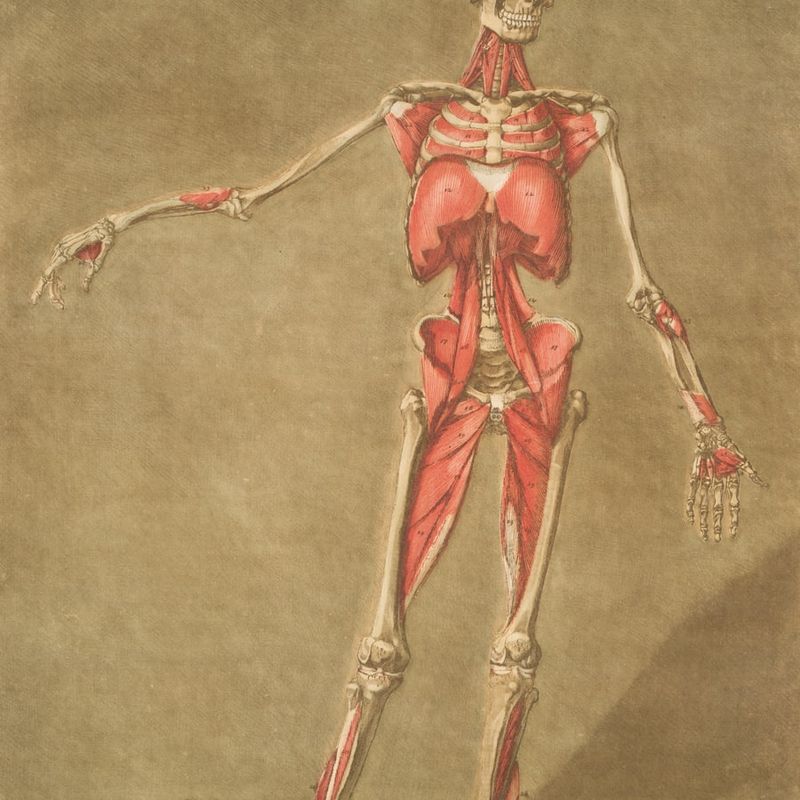
Neuroanatomie.
The structures you'll encounter in clinical practice, organized for usage rather than memorization.
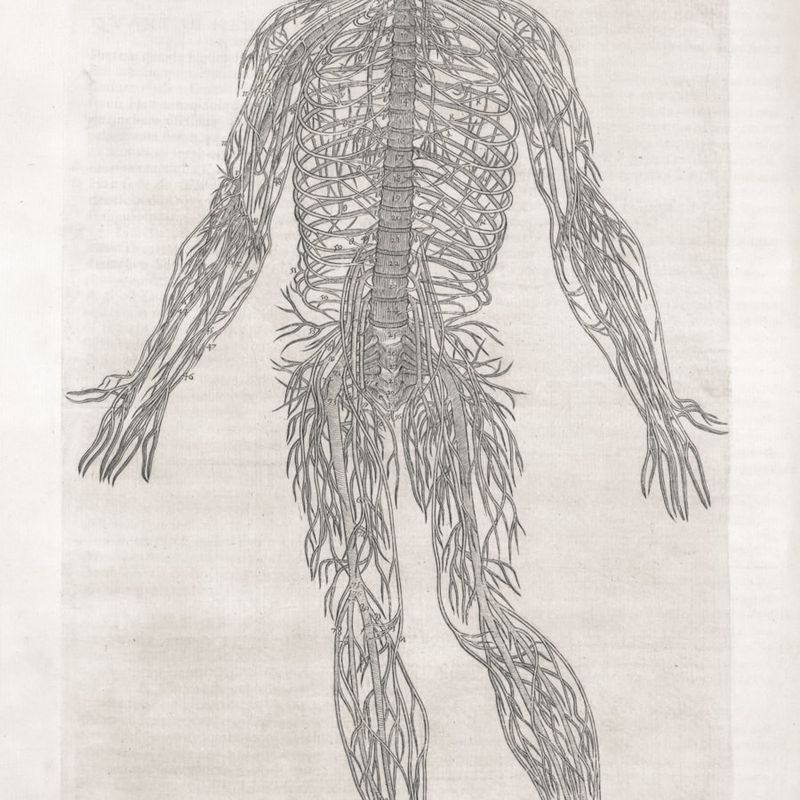
Neurophysiologie.
How the system works. Synapse to circuit to behavior. Built around the questions students actually ask.
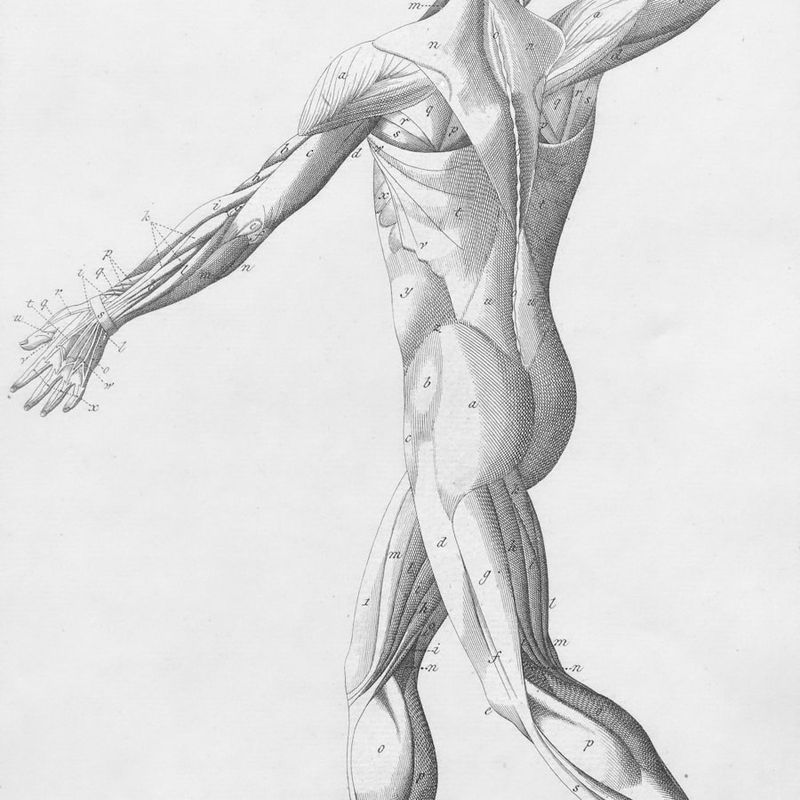
Neuropathologie.
A working clinician's guide. What to recognize, what to refer, what to treat. Vocabulary first, classifications second.
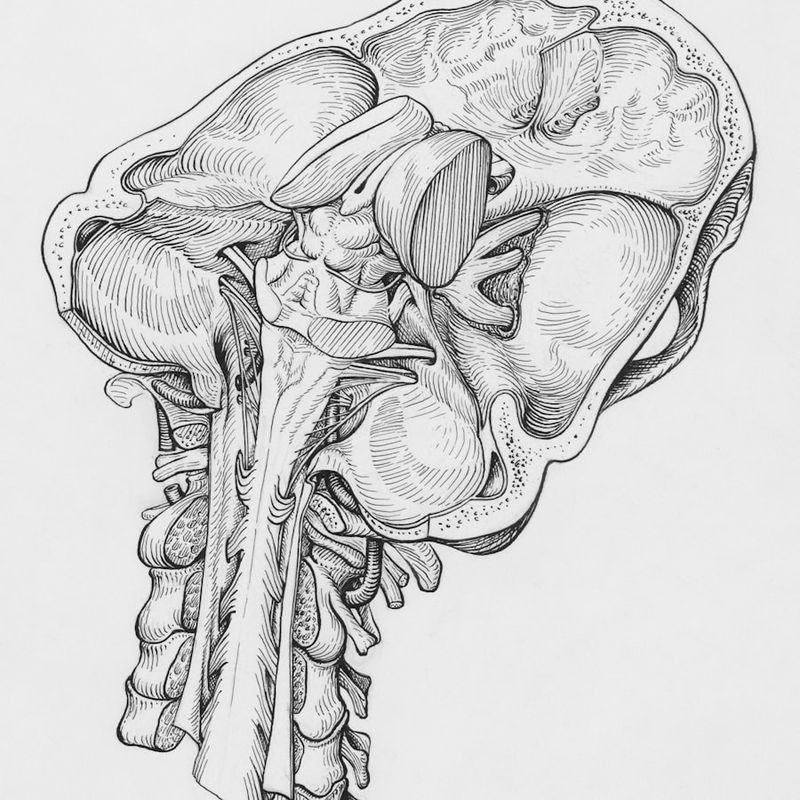
Neuropsychiatrie.
The overlap between neurological and psychiatric presentations. For students working at the boundary of two specialties.
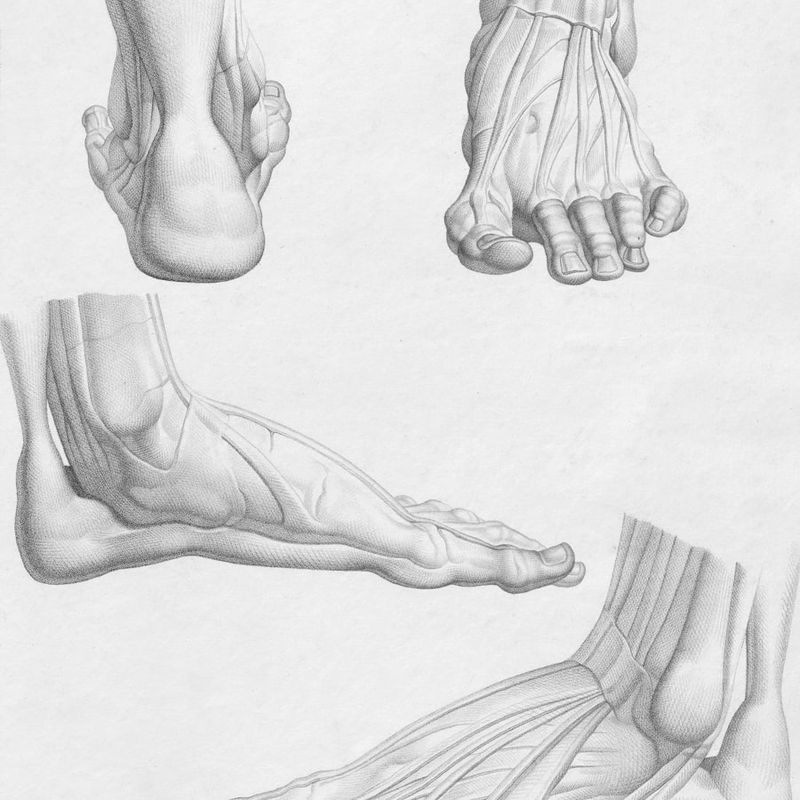
Neurorehabilitation.
Evidence-based protocols for the rehab phase. For therapists, physiotherapists, and rehab medicine residents.
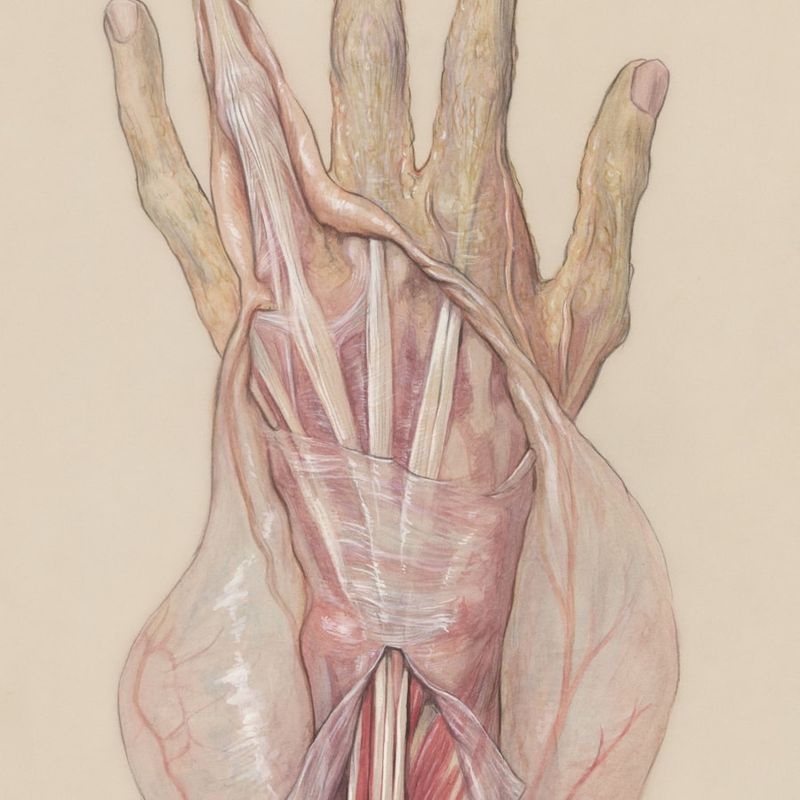
Neuromuscular physiology.
From motor neuron to muscle fiber. How the system fires, fatigues, and adapts. For movement professionals and students.
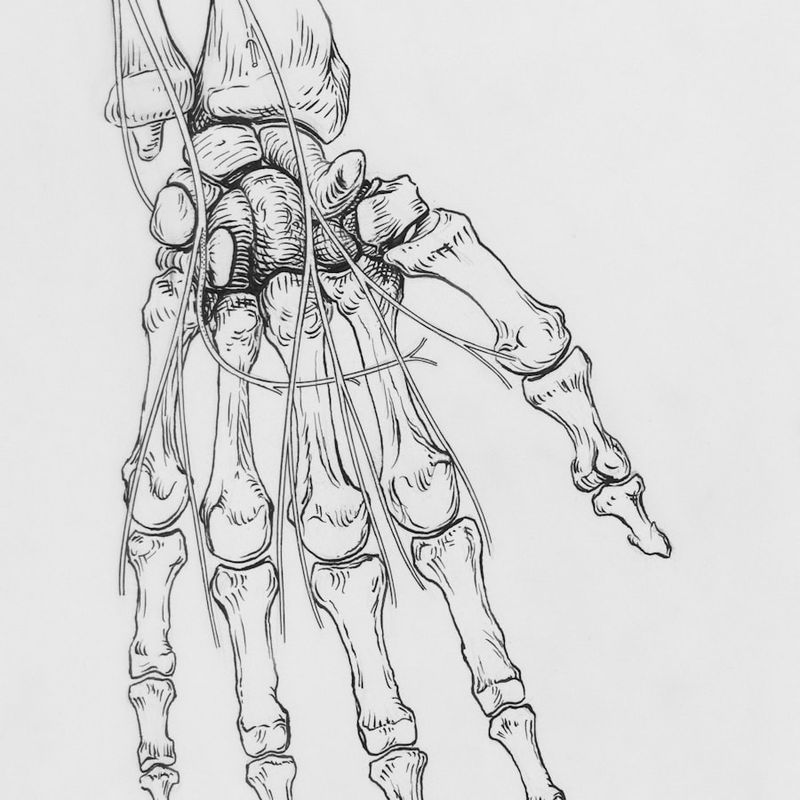
Neuromuscular pathology.
When the system fails. Recognition, classification, treatment. Pairs with the physiology pack.
Exercise routines, movement patterns, clinical references.
A working library of protocols I use and develop in practice. First releases address scar sensitivity, somatosensory rehabilitation, and proprioceptive re-education. Areas where existing literature treats the local tissue but misses the body schema.

Scar desensitization.
A psychomotor-integrated protocol for post-surgical and post-burn cases. Graded sensory exposure paired with body schema work. Original.

Proprioceptive re-education.
For chronic pain and post-injury cases. Daily exercises with clear progression and clinical markers.
Body schema reintegration.
For patients whose body image has shifted after illness, surgery, or chronic pain. Pairs with the scar protocol.

Motor pattern library.
Common rehabilitation patterns organized by region and pathology. Reference document for clinicians.
A small series of books for kids.
Picture books and short illustrated guides developed alongside the clinical work. Stories about the body, attention, and what to do when something feels too big.

The body that speaks.
A picture book about noticing your body and how to listen. What it tells you, and how to listen. Illustrated, soft language, dual FR/EN edition planned.
When feelings get loud.
A children's guide to big emotions and what helps. Built from what works in the consulting room.

Mon cerveau, mode d'emploi.
How your brain works, told simply. Without dumbing it down. Includes hands-on experiments to do at home.

The breathing book.
A body-led guide to slowing down. Five short stories, one for each kind of moment when the breath has to do the work.
Single-topic parenting guides.
Short, focused pieces on the parenting situations that come up most often in clinical work. Distinct from the longer course packs. Each guide is one topic, one read.

Le sommeil de l'enfant.
Bedtimes, night wakings, what the science says without the dogma. Practical, age-stratified, evidence-checked.
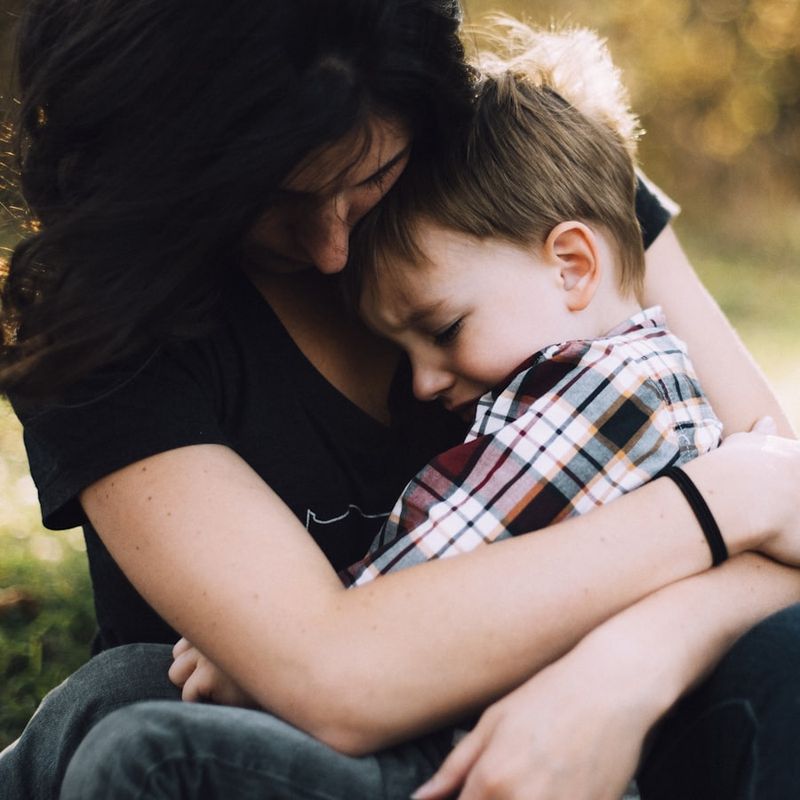
Tantrums and big feelings.
What's actually happening in the developing brain during a meltdown, and how to be useful in the moment without over-managing.

Concentration et écrans.
Practical guidance for the screen years, grounded in current research. What to limit, what to leave alone, what's overblown.
Get the releases first.
Thirty-one pieces in development across audios, courses, protocols, books, and lectures. Drop your email and I'll send the releases in the order you'd actually want them.
 COMING SOON
Activation vagale.
Slow breathing guided at six cycles a minute, the frequency at which heart rate variability reaches its maximum. For the middle of the day, or the end of a clinical one. Breathing only, the body scan is a separate protocol.
Why ten minutes.
Six breaths a minute is the rate at which heart rate variability reaches its maximum. It is not a relaxation trick, it is a resonance. Ten minutes is long enough for the rhythm to settle and for the breath to carry on by itself, short enough to fit between two patients.
Four seconds in through the nose, six seconds out, counted aloud at first and then handed back to you. No suggested sensation and no claim about outcome. Built on the work of Lehrer, Vaschillo and Russo on resonance frequency breathing.
The download.
- One 10-minute audio file, MP3 320 kbps
- Practice notes and clinical cautions, PDF
- Free updates to future versions
Audio sample at launch.
Other audios in the series.
Endormissement
20:00 Coming soon
Reset, five minutes
05:00 Coming soon
Scan interoceptif
15:00 Coming soon
Join the waitlist.
Pricing.
Forty-five-minute sessions. Same approach across all four formats. Pricing reflects practice in Lebanon and is set so the work stays accessible. If cost is a barrier to care you need, write to me.
Choose what fits.
Single sessions.
- Forty-five-minute session, therapy or testing
- Same price across all locations and formats
- Pay at the clinic after the session
- No commitment beyond the booked session
Kept separate so you only pay for one if you actually need it.
Full assessment.
- State-of-the-art, gold-standard testing tools
- All testing sessions needed for a full evaluation
- Final written clinical report included
- One flat price, however many sessions the assessment takes
- Evaluation only. No obligation to continue in therapy afterward, wait for the recommendation.
- Best fit for new patients arriving with a specific question
Initial intake, testing battery, written report you can share with your physician or other clinicians, follow-up to walk through findings.
Ongoing work.
- Four forty-five-minute sessions per month
- About eight percent less than booking the same four separately
- Personalised home-practice sheet, updated monthly
- Priority booking before slots open publicly
- One forgiven cancellation per month, no twenty-four-hour penalty
- Short email check-in between sessions if needed
You can pause or stop before the end of your month with reimbursement for the sessions not taken.
Logistics.
When and how.
In-person sessions are paid at the clinic in cash, or by local bank card (coming soon). Online sessions are paid before the meeting by bank transfer, Neo, or Whish.
Lebanese and international.
The Lebanese insurance landscape is complicated and changes often. Bring your details to the first session and we will check what applies. International patients should ask their insurer directly about coverage for Lebanese practitioners.
Issued on request.
Clinical receipts are available after each session for insurance reimbursement, employer benefits, or your own records.
Twenty-four hours notice.
Cancellations made less than twenty-four hours before the session are charged at the full session rate, with the exception of genuine emergencies.
Book a session.
Pick a clinic. Pick a time.
Availability is live from my calendar, so what you see is what is free. Forty-five minutes at 60 USD, the full breakdown is on Pricing. A short registration follows and I read it before we meet.
Where would you like to come?
at Echo Mind Cité Moussa
at Momentum Boulevard Heights
at Centre Dr. Alexandre Nehme Main Highway
For patients abroad and between cities
Not sure which to choose? If you are outside Lebanon, between cities, or want a first conversation before committing to a clinic visit, start online. The intake and the approach are identical. You can switch formats later, week to week.
Choose your slot, then fill the short form.
The link opens my live calendar in a new tab. Pick a day and time, then answer a few short questions so I can read your file before we meet. It takes about a minute. Nothing is charged online.
Email within minutes.
Calendar invite, the clinic address, and what to bring. For online sessions, the secure video link.
Optional, and private.
If you have scans, prior reports, or referral letters, send them here. It is a private folder that only I can open. Other patients cannot see your files, and nothing is shared with anyone without your written permission. No account needed.
Twenty-four hours before.
A short note with the address and any prep for the session.
From the same email.
Move or cancel from the link in your confirmation. Less than twenty-four hours notice is charged at full rate, genuine emergencies excepted.
After the session.
In person: cash at the clinic, or by local bank card (coming soon). Online sessions are settled before the meeting by transfer, Neo, or Whish.
Questions before you book?
Nineteen of the most common ones are answered on the Practice page. For anything else, WhatsApp is the fastest route and I answer within a working day.
Get in touch.
For new patient inquiries, professional collaborations, media, or general questions. For booking a session, the booking page is faster.
Within 24 hours.
Most messages get a reply within a working day. Weekends and Lebanese public holidays push the response to Monday or Tuesday.
Write directly.
[email protected]For matters that need a paper trail. Replies use the same address.
Faster for short questions.
+961 71 740 587Usually a reply within a few hours during clinic days. Not for clinical issues. Short coordination only.
Gilbert Antaki.
Psychomotor therapist and neuroscientist. Based in Lebanon, working across three polyclinics and online. Trained at Saint Joseph University and the American University of Beirut.
I'm a psychomotor therapist and neuroscientist based in Lebanon. I work with teenagers, adults, and seniors at three polyclinics across Lebanon. I also do online consultations with patients abroad.
I studied at Saint Joseph University in Beirut, completing a Bachelor's (+ M1) in Psychomotor Therapy. I then deepened my scientific foundation with a Master's in Neuroscience at the American University of Beirut.
I also teach at the Saint Joseph University in Beirut, neuro and medical-related courses, and I am in charge of research at the department.
Continuing education has stayed close to clinical practice: functional neurological disorders (City St George's, University of London), pain medicine (AUB), and many more. The work is slow, deliberate, and built around what the patient in front of me actually needs.
Headshot coming.
A working portrait will sit here. Studio photo planned alongside the clinic photos for each location.


The path here.
Mental diagnosis in teens and adults, researching psychomotor therapy as an intervention.
Infants and teenagers with neurological and genetic disorders.
President of the student organization at the psychomotor therapy faculty. Academic delegate.
Reach out and read along.
From the lab.
Ongoing work at the intersection of neuroscience, radiobiology, and clinical neurology.
ICAR 2026.
Frataxin-Linked Impairment of DNA Damage Signaling in Friedreich's Ataxia and Its Pharmacological Modulation.
Rafka Salim Challita (primary presenter), Dana Tohme, Leen Abou Najem, Hussein Khram, Walaa Chebli, Gilbert Antaki, Charbel Feghaly, Hanine Bou Hadir, Rana El-Hassan, Wassim Abou-Kheir, Larry Bodgi American University of Beirut and AUBMC.
Friedreich's Ataxia (FA) is a neurodegenerative disorder caused by reduced frataxin expression, leading to mitochondrial dysfunction and oxidative stress. This study investigated whether frataxin deficiency alters DNA double-strand break (DSB) signaling and repair following ionizing radiation, and whether pharmacological agents can modulate these responses.
Three FA and two control human skin fibroblast lines received a single irradiation of 2 Gy, with or without 24 h pretreatment using zoledronic acid, pravastatin, or their combination. DDR dynamics were assessed by immunofluorescence analysis of pATM, gamma-H2AX, 53BP1, MRE11, and DNA-PKcs foci. Clonogenic assay determined cellular survival.
FA fibroblasts exhibited significantly fewer pATM foci at 10 min and 1 h post-IR and increased residual gamma-H2AX foci at 24 h post-IR compared with controls (p < 0.001). Treatment with zoledronic acid alone or in combination enhanced early DDR activation in FA cells. Combination treatment decreased residual DNA damage and improved post-irradiation clonogenic survival (p < 0.05).
Frataxin deficiency is associated with impaired DSB signaling and delayed repair kinetics. Pharmacological intervention partially restores DDR efficiency and improves cellular survival. These findings highlight DNA repair dysregulation as a relevant pathogenic mechanism in FA.
Neuroscience, AUB.
Evaluating the Effects of Statins and Bisphosphonates on the Radiosensitivity of Friedreich's Ataxia.
Friedreich's Ataxia (FRDA) is a rare neurodegenerative disorder caused by frataxin deficiency, leading to mitochondrial dysfunction, oxidative stress, and increased cellular susceptibility to DNA damage. Recent studies have suggested that statins and bisphosphonates may modulate oxidative stress and influence DNA repair pathways, thereby potentially altering radiosensitivity.
To evaluate the effects of statins and bisphosphonates on the radiosensitivity of FRDA fibroblast cell lines.
Immunofluorescence was performed on two FRDA fibroblast cell lines and one normal fibroblast cell line to assess DNA damage response and cell survival following ionizing radiation exposure, using two biomarkers, pATM and gamma-H2AX. Clonogenic assay was performed to assess cell survival.
In normal fibroblasts, Zo, Pra, and ZoPra pretreatments did not significantly modify pATM or gamma-H2AX foci induction after irradiation. In FRDA fibroblasts, ZoPra increased pATM and gamma-H2AX foci at 10 min post-IR, reduced residual gamma-H2AX foci at 24 h.
These findings indicate that ZoPra enhances DNA double-strand break repair in FRDA fibroblasts, reducing radiosensitivity and genomic instability. Our results suggest that ZoPra can be an effective radioprotective drug in FRDA patients.